
Partner offer
Sunset cruises, wine tastings and day trips
tickadoo curates small-group experiences on Santorini, Mykonos and Crete with local operators.
Find experiences — tickadoo, opens in a new tab (affiliate link)
Opens tickadoo.com
Partner offer
Headout sells timed-entry tickets and guided visits for Athens and the islands, with instant mobile delivery.
Opens headout.com
Partner offer
tickadoo curates small-group experiences on Santorini, Mykonos and Crete with local operators.
Opens tickadoo.com
Partner offer
Omio lists SeaJets, Blue Star and the regional operators side by side with live times and fares, so you can book the crossing that fits your day.
The best beaches in Crete are Balos, Elafonissi, Falassarna, Preveli, and Vai — a mix of turquoise lagoons, pink-and-white sand, and Europe’s only palm forests. Crete has hundreds of beautiful beaches spread across its four regions (Chania, Rethymnon, Heraklion, and Lasithi), but the most spectacular are concentrated in Chania, in western Crete.
Crete is a massive island with a long coastline and thousands of beaches — you could spend a whole summer here and still not see them all. This guide covers the ones actually worth planning a day around, region by region, with a quick-facts box for each.
BEST BEACH HOTEL IN CRETE:Creta Maris Resort
BUT ALSO CHECK:
Most of them have golden sand, crystal clear waters, and rank among the best beaches in Greece — but you won’t have time to visit them all, so the picks below are the ones worth the drive.
| What you want | Best beach | Region |
|---|---|---|
| Most photogenic lagoon | Balos | Chania |
| Pink sand | Elafonissi | Chania |
| Families with young kids | Marathi | Chania |
| Palm-forest / exotic | Preveli & Vai | Rethymnon & Lasithi |
| Sunsets | Falassarna | Chania |
| Snorkeling & diving | Skinaria | Rethymnon |
| Quiet & remote | Xerokampos & Kedrodasos | Lasithi & Chania |
| Nightlife on the sand | Malia | Heraklion |
READ ALSO:
I have categorized the beaches in Crete according to each of the island’s four prefectures (Chania—western Crete, Rethymnon, Heraklion, Lasithi).
Click to jump quickly:

| Swimming season | May to October (Crete is the southernmost, hottest part of Europe, so the sea stays warm) |
| Best beaches overall | Elafonissi, Balos, and Preveli — world-class, but you need a car or bus |
| Nicest region | Chania (western Crete); the Rethymnon south coast is a close second |
| Best for families & kids | Marathi — shallow, sheltered water with restaurants and amenities |
| Best beaches near Chania town | Falassarna, Marathi, and Stavros |
| Best beach hotel | Elounda Beach Hotel & Villas |
| Best beach villa | Sea Front Villas |
Chania, in western Crete, has the island’s most famous beaches — the turquoise lagoons of Balos and Elafonissi, the golden sweep of Falassarna, and a string of wild southern coves.

Balos is a naturally formed lagoon of shallow turquoise water about 60 km west of Chania, and — along with Elafonissi — the most photographed beach in Crete. The area is protected by NATURA 2000 and shelters monk seals and sea turtles. The very shallow water and tropical white-and-pink sand (from crushed shells) make it ideal for kids and snorkeling.
Quick Facts — Balos Beach
First reach Kissamos town, about 40 km west of Chania on the national road (by car or bus). From there, take the ferry boat from Kissamos port (signposted everywhere) — highly recommended, as the alternative 15 km dirt road is rough, unpaved, and takes around 45 minutes, and most hire cars are no longer allowed on it. Kissamos on Google Maps.

Elafonissi is a naturally formed sea lagoon with tropical, Caribbean-style water, pink shell sand, and shallow dunes — very similar to Balos but more organised, with canteens, parking, sunbeds and umbrellas. It’s a NATURA 2000 preservation area and one of the most tropical beaches in Greece. The huge coastline has quiet stretches too, and the western side is a nudist beach.
Elafonissi beach on Google Maps
Quick Facts — Elafonissi Beach
Reach Elafonissi by car (about a 1.5-hour drive) or local bus from Chania. The road climbs through the Cretan mountains and gorges (like Topolia gorge) and picturesque villages — narrow in places, but the scenery makes up for it. On arrival, park at the main lot (around €5/day) and walk roughly 650 m to the sand.

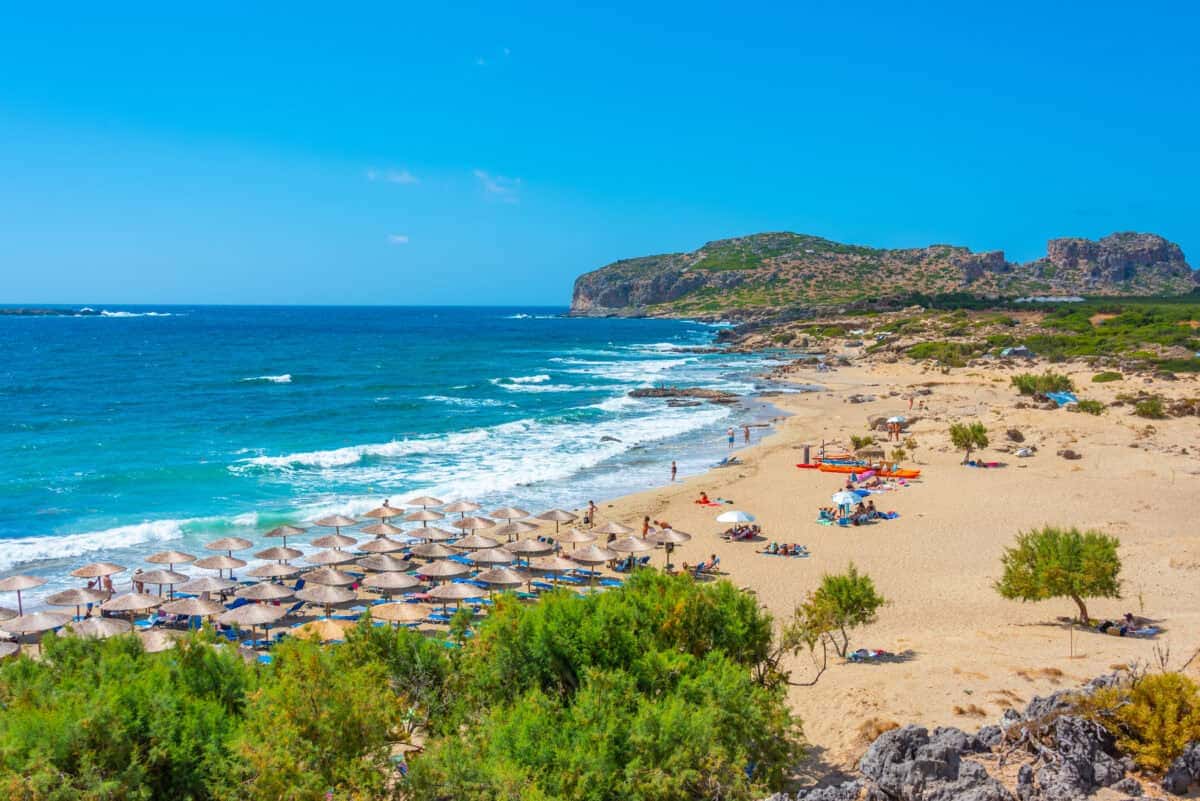
Falassarna is a long, wide, golden-sand beach close to Chania with full amenities — umbrellas, sunbeds, showers and a beach volleyball court. It’s one of the most famous beaches in Crete and Greece, and delivers arguably the best sunset on the island. The one catch: it’s often windy, which can make it unsuitable for young kids, so check the forecast first. The main beach is called “Pachia Ammos.”
Quick Facts — Falassarna Beach
Reach Falassarna beach mainly by car or local bus — about a 1-hour drive from Chania town. Follow the Kissamos signs and then the Falassarna sign; the road is in good condition.

Stavros sits at the northern tip of the Akrotiri peninsula, just 17 km from Chania. It became world-famous as the backdrop of the film “Zorba the Greek.” The sheltered bay under a dramatic mountain has calm, shallow swimming water plus sunbeds, tavernas and cafés — an easy, family-friendly half-day from town.

Quick Facts — Stavros Beach
Reach Stavros beach by car or bus from Chania. It’s very close (17 km) on a good road — just follow the signs toward Chania Airport.

Kedrodasos (meaning “cedar forest”) is a wild, unspoiled cove next to Elafonissi, backed by rare juniper trees — the “cedars of Crete.” Protected by strong winds, it’s considered one of Europe’s last untouched beaches, with no facilities and a nudist crowd. Bring your own water and snacks, leave it exactly as you found it, and combine it with a visit to nearby Elafonissi.
Quick Facts — Kedrodasos Beach
Kedrodasos is a 5–10 minute drive from Elafonissi beach; there’s no bus, so you can only reach it by car followed by a short walk.

Seitan Limania (Stefanou Beach) is a tiny, dramatic cove of vivid water hemmed in by towering rocks — an Instagram-famous spot that was known only to locals a decade ago. The scenery is unforgettable, but it is not a beach for families or young kids: the access road is tough and reaching the sand involves scrambling down steep rock. There are no facilities, so bring water and food.
Quick Facts — Seitan Limania Beach
The road to Seitan Limania is very narrow and extremely steep, and no bus serves it. Don’t attempt the drive unless you’re a confident driver, and skip it if you have kids or health issues — beyond the rough ride to the small clifftop parking, there is a genuine climb (not a hike) down to the beach.
There are no hotels at the cove itself; the nearest good base is lovely Marathi:

Agia Roumeli is a long pebble beach and small village on Crete’s south coast, about 60 km from Chania. It has no road — you reach it only by hiking out of the famous Samaria Gorge (Agia Roumeli is its end point) or by ferry from Hora Sfakion or Palaiochora. After the gorge hike, the sea here feels like an oasis. There are a few tavernas and cafés.
Quick Facts — Agia Roumeli Beach
Reach Agia Roumeli by ferry boat or by hiking the Samaria Gorge — there is no road to the village. To hike Samaria (highly recommended), take the bus from Chania to the gorge entrance.

Marathi is the most family-friendly beach in Crete — two small sandy bays sheltered from the wind on the Akrotiri peninsula, with calm, shallow water and plenty of restaurants, cafés, sunbeds and umbrellas. It’s close to Chania and very well organised, which makes it an easy, low-stress choice with kids.
Quick Facts — Marathi Beach
Marathi Beach is a 30-minute drive from Chania town, and a bus can also take you there.

Palaiochora is a long (600 m+), wide sandy beach fronting a laid-back village in southern Crete. It rarely feels crowded and comes with the full kit — restaurants, cafés, hotels, beach bars, lifeguards and watersports — making it a solid family choice. It can be breezy, so pack accordingly.
Palaiochora beach on Google Maps
Quick Facts — Palaiochora Beach
Reach Palaiochora beach by car or local KTEL bus from Chania — about a one-hour drive. Because no bus drops you right on the sand, the beach stays uncrowded and unspoiled.

Fragokastello is a long, sandy south-coast beach famous for the 14th-century Venetian castle that sits right behind it. The setting is striking and the water shallow and calm, but it’s remote — about 1.5–2 hours south of Chania — with just a handful of tavernas and small hotels nearby.
Fragokastello Beach on Google Maps
Quick Facts — Fragokastello Beach
Reach Fragokastello Beach mainly by car or local bus from Chania — a 1.5–2 hour drive depending on your route.

Loutro is a car-free fishing village on the south coast near Hora Sfakion, with a small beach and some of the clearest water on the island. Its charm is the seclusion — a few rooms and tavernas, no roads, and access only by boat or on foot. Wild gorges and walking paths lead to near-deserted coves, and many visitors canoe to them.
Quick Facts — Loutro Beach
Reach Loutro beach by boat from Hora Sfakion or via the mountain paths. There are no cars in Loutro village — a truly unique and unspoiled place.

Glyka Nera (“Sweet Water”) is a remote pebble beach famous for the fresh spring water that bubbles up through the shingle — so you never need to bring your own. Voted one of the top 20 beaches in Europe by The London Times, it’s backed by imposing mountains and well off the beaten path. The natural springs keep the sea noticeably cold year-round.
Glyka Nera (Sweet Waters) beach on Google Maps
Quick Facts — Glyka Nera Beach
Reach Glyka Nera by boat from Hora Sfakion (itself reached by KTEL bus from Chania) or on foot — about 30 minutes’ hike from Hora Sfakion, or 60 minutes from Loutro.
There are no hotels at Glyka Nera itself, so stay at nearby Hora Sfakion:
There is only one tavern on the beach, and it is very good:
Rethymnon, in central Crete, has the island’s most dramatic south-coast scenery — the palm-forest lagoon of Preveli, plus a run of family resorts and diving coves.

Preveli is one of the most unique beaches in Greece — a sandy cove where a palm-lined river meets the sea, with emerald freshwater pools set among the palm groves. A former 60s–70s hippie haunt, it’s protected, so there are no sunbeds or umbrellas (just a small cafe). Along with Vai, it’s one of the most tropical spots in Europe.
Quick Facts — Preveli Beach
Preveli beach is reached by car from Chania or Rethymnon (about 1.5 hours), or by local bus from Rethymnon (three per day). There is no direct bus from Chania — go via Rethymnon. From the car park, a steep stepped path leads down to the sand.
There are no hotels at Preveli; the closest base is Plakias village and beach:

Plakias is one of southern Crete’s most popular resort beaches — a wide, well-equipped stretch fronting a friendly seaside village, with restaurants, hotels, showers, sunbeds, watersports and changing rooms. The tall vertical rocks on the west end double as a natural climbing wall.
Quick Facts — Plakias Beach
Reach Plakias by car from Chania or Rethymnon (about an hour), or by local bus from Rethymnon (four times a day).

Livadi is the longest of the seafront beaches in the popular Bali area of Rethymnon — a well-organised, family-friendly (and famously romantic) stretch with plenty of sunbeds, umbrellas and amenities. It can catch more wind than the neighbouring cove of Karavostasi.
Quick Facts — Livadi Beach
Livadi and the Bali area are close to Rethymnon, with very regular local buses (or you can drive).

Agia Galini is a lively south-coast resort village near Plakias, a hippie destination since the 1960s and now packed with restaurants and tourist amenities. The pebble beach can feel cool where river water mixes with the sea, and there’s a campsite in the village.
Quick Facts — Agia Galini Beach
Reach Agia Galini beach mainly by car or the local KTEL bus from Rethymnon — there are 4–5 buses a day.

Agios Pavlos is a small south-coast village with two beautiful beaches — the standout is the one behind the village, backed by enormous sand dunes you can climb. Named after Saint Paul, who is said to have stopped here en route to Rome, it also has a little Saint Paul church.
Quick Facts — Agios Pavlos Beach
No local bus serves Agios Pavlos — the only way to reach it is by car, about a one-hour drive from Rethymno town.

Skinaria is the unofficial scuba-diving capital of Crete. Its clear water sits over one of the richest seabeds on the island, making it a top spot for snorkeling and diving. It’s a small, quiet cove with just a few sunbeds, umbrellas and a small beach bar.
Quick Facts — Skinaria Beach
You can only reach Skinaria beach by car — about a one-hour drive from Rethymno town.

Karavostasi is the prettiest — and smallest — beach in Bali, east of Rethymno, with emerald water and a family-friendly feel. Because it’s compact, it can get crowded in July and August, but it has good amenities.
Quick Facts — Karavostasi Beach
Reach Karavostasi beach by car or the local KTEL bus from Rethymno — about a 30-minute ride.

Spilies — Greek for “caves” — is a small beach east of Rethymno known for the caves and geological rock formations around it, plus a fun little water tunnel on the right side. It has a few sunbeds and umbrellas and sits a 20-minute drive from town.
Quick Facts — Spilies Beach
Spilies is a 20-minute drive from Rethymnon. Although it’s easily reached off the main Rethymnon–Heraklion road, no bus serves it, so you’ll need to drive.
Heraklion, in the centre-north, mixes easy city beaches with the hippie history of Matala and the buzzing resort strip of Malia.

Ammoudara is the best beach next to Heraklion — a long, wide sweep of golden-brown sand with beach bars and full amenities. It’s so big it never feels crowded, and the shallow, gentle sand makes it easy for families and kids.
Ammoudara beach on Google Maps
Quick Facts — Ammoudara Beach
Ammoudara is just 1 km west of Heraklion city and walkable from town — by far the most easily accessible beach near Heraklion.

Matala is one of Crete’s most storied beaches — a sandy bay whose cliff on the right is riddled with caves that 1960s and 70s hippies (Joni Mitchell among them) once lived in. The whole village leans into that era, and it hosts the annual Matala Beach Festival.

Quick Facts — Matala Beach
Matala is about a one-hour drive from Heraklion; if you don’t have a car, take the local bus from Heraklion city.

Malia is a long, sandy beach fronting Crete’s most famous party town — think spring-break energy with loud beach bars, watersports, massage stalls and cheap nightlife. It’s crowded May–October and not ideal for families wanting quiet, but there’s plenty for kids too (an aquarium and waterparks nearby).
Quick Facts — Malia Beach
Malia beach is about a 40-minute drive east of Heraklion — reach it by car or the KTEL bus from Heraklion (buses run throughout the day).

Potamos is Malia’s second beach — a quieter, family-friendly stretch of brown sand with plenty of sunbeds, right next to the resort strip. It can get busy in August and occasionally windy.
Quick Facts — Potamos Beach
Potamos is about a 30-minute drive from Heraklion; you can also take the bus to Malia and walk over to Potamos beach.
Lasithi, in the far east, is home to the palm forest of Vai and a run of remote, low-key beaches around Sitia, Ierapetra and Elounda.

Vai is the most famous beach in eastern Crete, backed by Europe’s largest natural palm forest — swimming beside palm trees is a genuine rarity on the continent. The crystal-clear water and golden sand make it exotic and busy; the seabed isn’t the best for snorkeling. You pay for parking and for sunbeds/umbrellas.
Quick Facts — Vai Beach
Reach Vai beach by car or local bus from Sitia (three buses a day in summer). Vai is about a 30-minute drive from Sitia and a 2-hour drive from Agios Nikolaos.
Vai is protected from building, so stay at one of these hotels close by:

Voulisma (Golden Beach) is the most popular beach near Agios Nikolaos — a long, sandy, family-friendly stretch with some of the clearest water in Greece and full facilities. It gets busy in summer. Skip it as a day trip from Heraklion (2 hours away); only visit if you’re staying in Lasithi.
Quick Facts — Voulisma Beach
Voulisma beach is only a 15-minute drive from Agios Nikolaos, and you can also take the local bus.

Xerokampos is one of the most remote spots on Crete — a run of wild, unorganised beaches about 100 km southeast of Agios Nikolaos. There are almost no facilities (one small canteen), so bring everything. In return you get pure, undeveloped coast with few tourists and no beach bars.
Xerokampos beach on Google Maps
Quick Facts — Xerokampos Beach
You can only reach Xerokampos by car, driving southeast from Agios Nikolaos (2 hours) or Sitia (1 hour).
There are only a handful of hotels around, as the area is very remote and made for relaxation:

Agia Fotia is the beach of Ierapetra town (12 km away) — a lovely, quiet, well-organised beach in southern Lasithi. Pine trees surround the sand, giving it a different, shadier feel from most Cretan beaches, with beach bars, canteens, restaurants, umbrellas and sunbeds.
Agia Fotia beach on Google Maps
Quick Facts — Agia Fotia Beach
Agia Fotia is just a 15-minute drive from Ierapetra town, and local buses can also take you to the beach.

Erimoupolis is a quiet, sandy beach just north of the Vai palm forest, about 30 km east of Sitia. Behind it lie the free-to-visit ruins of the ancient city of Itanos — much of it still underwater, so you can snorkel over the remains.
Erimoupolis beach on Google Maps
Quick Facts — Erimoupolis Beach
Erimoupolis is a 10-minute drive north of Vai and about 30 minutes from Sitia town. There is no local bus, so you’ll need a car.
There are no hotels around; stay at one of the best hotels near Vai and Sitia:

Kolokytha is a small, picturesque beach near glamorous Elounda, with beautiful water and green surroundings. It’s named after the little island opposite (often mistaken for Spinalonga). The sandy patch is small — expect some stones and rocks — but the wild setting rewards the short walk in.
Kolokitha beach on Google Maps
Quick Facts — Kolokytha Beach
Reach Kolokytha beach by driving from Elounda and parking in the open area behind the beach — a short walk gets you to the sand, and the wild landscape rewards the effort.
There are no hotels at Kolokytha, so stay in beautiful Elounda, which has some celebrity-level hotels:
For beaches, base yourself in Chania / western Crete — it has the best coastline, the Samaria Gorge, and the prettiest towns. Here’s the quick planning cheat sheet:
The best beaches in Crete are Elafonissi, Balos, Falassarna, Vai, and Preveli — but they’re only the start. Crete has thousands of beaches, and the best way to explore them is by renting a car. If the north coast turns windy in July or August, just head to a sheltered beach in the south.
If you’re comparing Greek islands for a beach holiday: Crete’s beaches are more numerous and far more varied than Santorini’s volcanic black-and-red shores, and more spread out (and often quieter) than Mykonos’s lively organised bays. Choose Crete for sheer variety, Santorini for dramatic scenery, and Mykonos for the beach-club scene.
The sea in Crete is warm enough for swimming from May to October. Because Crete is the southernmost part of Europe, it stays one of the hottest places in Greece, so early-season (May) and late-season (October) swimming is comfortable.
The best beaches in Crete are Elafonissi, Balos, and Preveli. All three are world-renowned, though they are remote and require a car or bus to reach. Falassarna and Vai round out the top five.
The Chania region in western Crete has the best and most famous beaches on the island, including Balos, Elafonissi and Falassarna. The Rethymnon region also has excellent beaches, particularly on the southern coast.
Yes. The best beaches close to Chania town are Falassarna, Marathi and Stavros, all easily reached by car or bus. Balos and Elafonissi are also in the Chania region, about 1 to 1.5 hours away.
Marathi is the best beach in Crete for families with young kids. It has two small, sheltered bays with shallow, calm water and plenty of restaurants and amenities. Stavros, Palaiochora and Ammoudara are also very family-friendly.
The easiest way to reach Balos Beach is by boat from Kissamos port, with daily summer sailings. You can also drive a rough 15 km dirt road and walk 20 to 30 minutes down, but most rental cars are now barred from that track, so the boat is the recommended option.
June and September are the best months to visit Crete’s beaches: the sea is warm, the weather is hot, and there are far fewer crowds than in July and August. For popular beaches like Balos, Elafonissi and Vai, arrive before 11 a.m. to beat the tour boats and secure a sunbed.
We recommend these trusted resources to compare rates, read reviews, and secure bookings for your upcoming trip to Santorini and Greece:
Best rates on hotels, luxury suites, and traditional caldera villas.
Stay connected with local Greek eSIM data packages starting at just a few dollars.
Compare and book Greek buses, coaches and trains — including KTEL routes that are hard to book online.
Last updated: July 9, 2026
Next step
Choose a useful next step for your dates, route and budget.
Planning tools use estimates. Check current schedules, prices and availability before booking.
Discover all the amazing places to visit in Greece
Join thousands of travelers getting our exclusive guides, hidden gems, and money-saving tips delivered straight to their inbox.

Opens headout.com
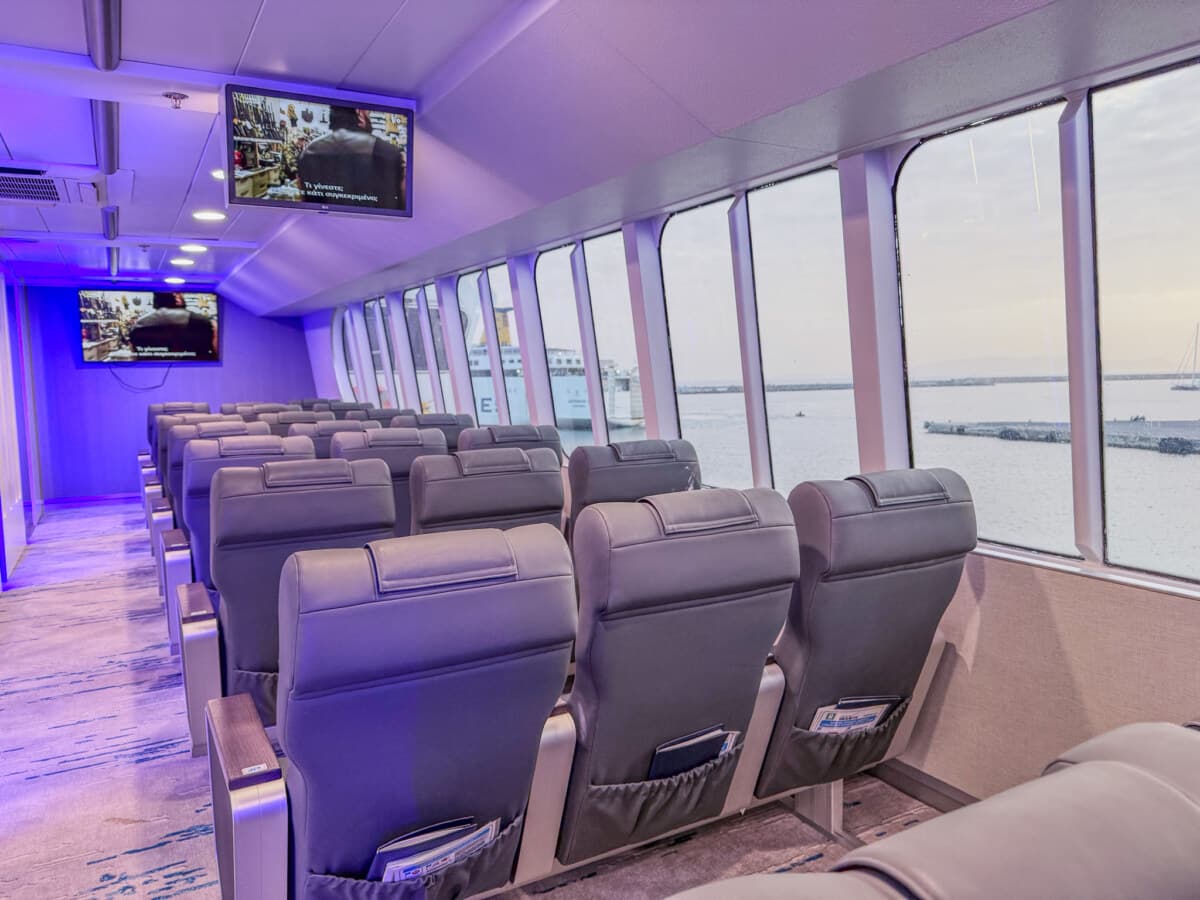
SeaJets is fast, expensive, and sometimes frustrating. This SeaJets review explains when the ferry is worth booking, when to choose slower ferries, and what to expect on board.
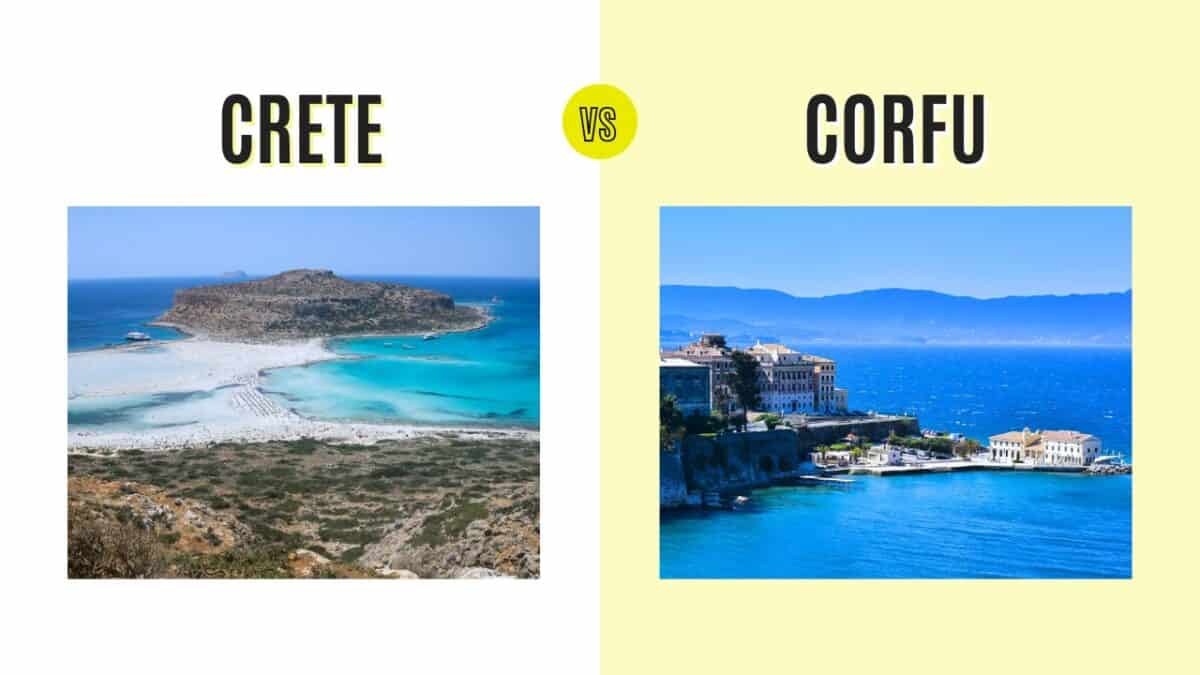
Crete and Corfu both offer stunning beauty but cater to different travel styles. This comparison guide analyzes the wild landscapes and ancient history of Crete versus the lush greenery and cultural blend of Corfu.
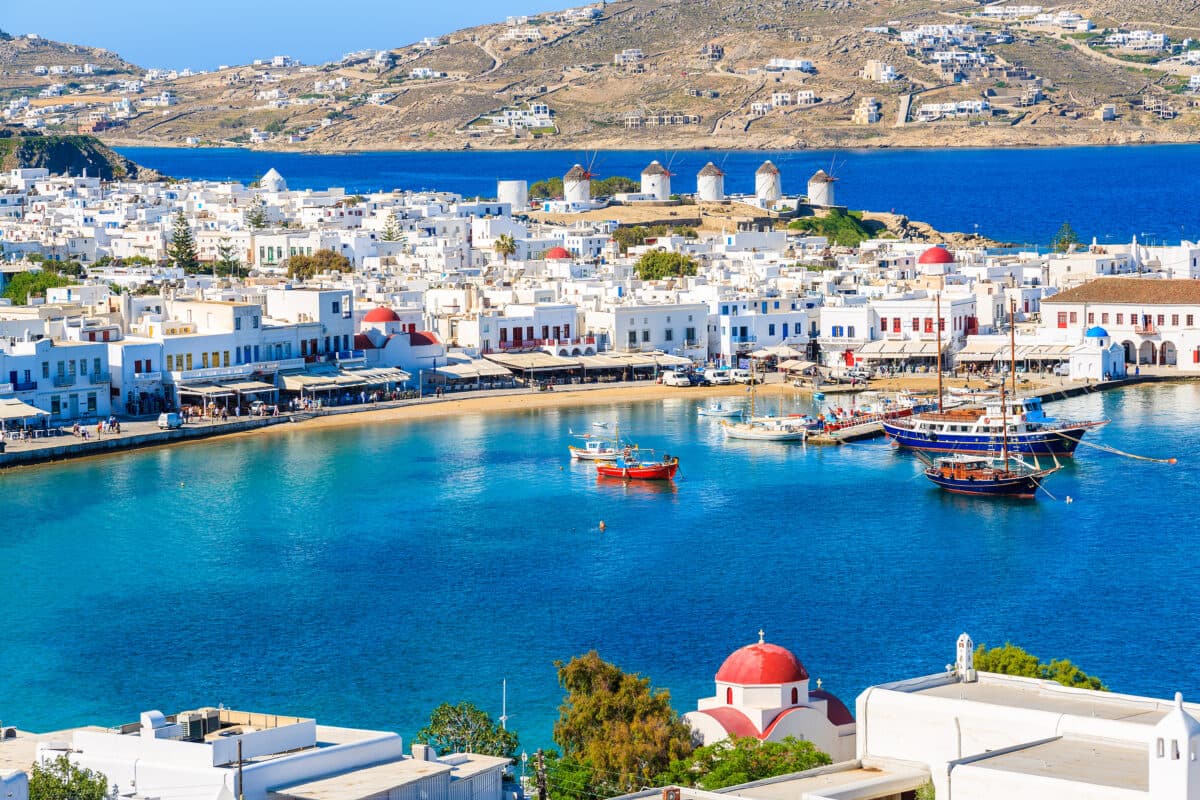
Greece features a wide range of nightlife options, from high-end superclubs to sophisticated harborside cocktail bars. This island-by-island guide identifies the best party destinations for 2026, providing insider tips and practical advice for travelers.